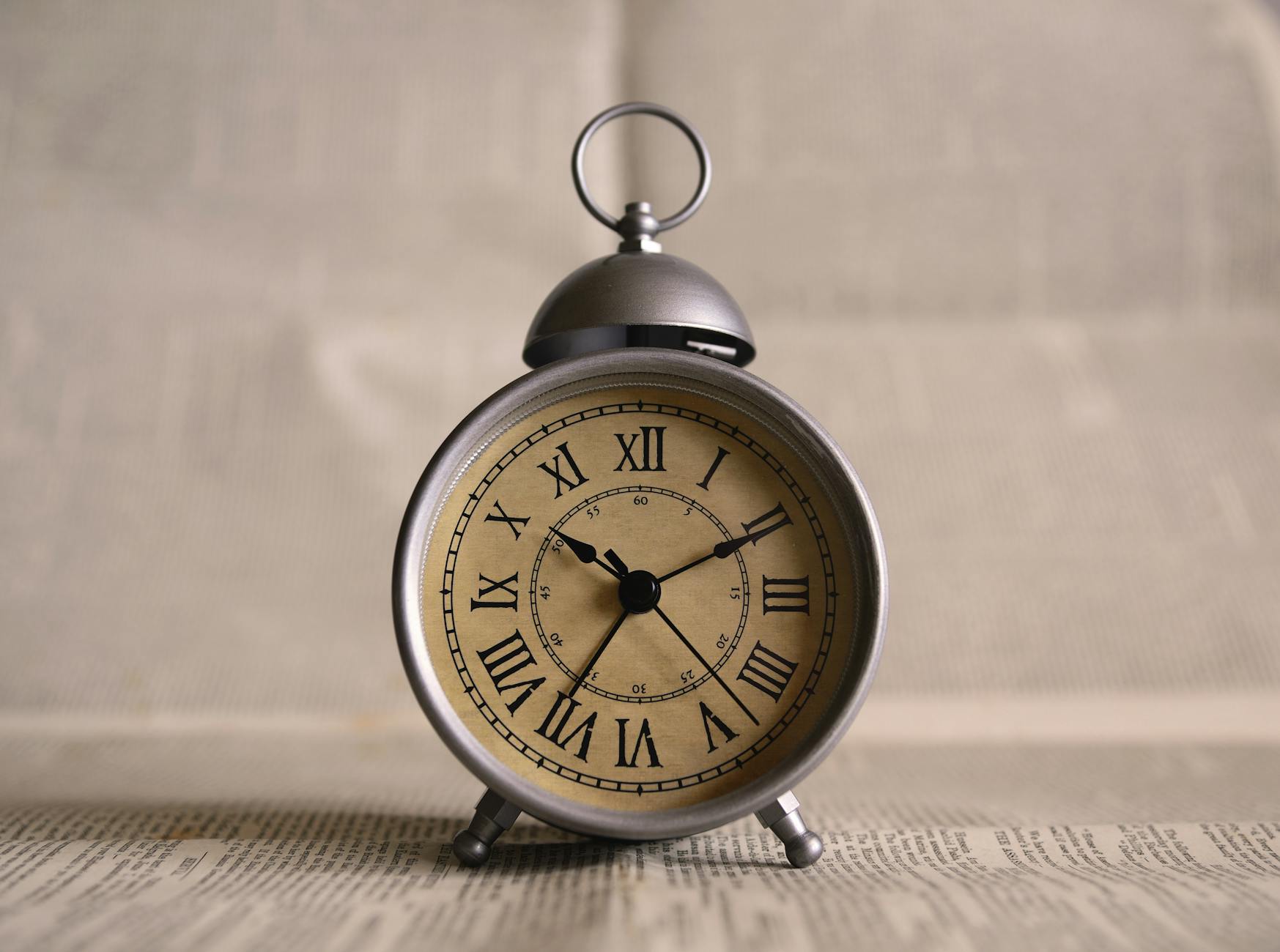
A simple practice for Healing After Trauma and Abuse
When you’ve survived trauma or abuse, healing can feel like an impossible mountain to climb. There are days when just getting out of bed feels like a victory and days when you cannot even do this. So the idea of rebuilding yourself may seem overwhelming — like something that requires endless therapy, energy you don’t have, or more time than life allows.
But here’s the truth no one tells you:
You don’t need to do it all at once. You just need to start — with twenty minutes.
Why 20 Minutes?
Twenty minutes a day may not seem like much, but over the course of a year, it adds up to:
- 7,300 minutes
- 121 hours and 40 minutes
- Over 5 full days of focused healing
Imagine gifting yourself over 120 hours a year — not to work, not to survive, but just to heal.
That’s not just self-care.
That’s radical self-rescue.
From a Mother Who Knows
After time spent alone, away from abuse, trying to live life on my own terms for the first time in years — I began to understand this truth in my bones.
I’m a mother of four.
Some of my children are traumatised, just like me.
I know what it means to be everything to everyone, all the time.
I know the crushing guilt of taking time for myself — and the deep ache when I don’t.
And I know this:
When you’ve lived in survival mode, it changes everything.
Your nervous system doesn’t know how to rest.
Your mind never truly quiets.
You exist in a constant state of hyper-vigilance —
Always bracing for the next explosion.
Always scanning for danger, even in silence.
There is no rest – Even in sleep.
Noise can become a trigger.
Shouting, swearing, slamming doors — even if it’s not directed at you — can send your body into full alert.
You might feel overwhelmed by simple things: a sink full of dishes, a phone call, someone asking you a question, even ordering at Tim Horton’s.
And sometimes, even the idea of what to cook for dinner can feel like too much —
Let alone the thought of how to rebuild yourself.
It’s not laziness. It’s not weakness.
It’s trauma.
And when you’re in that place — physically, emotionally, and mentally locked in survival — it can feel impossible to find time or space for healing.
That’s why 20 minutes matters.
Because those 20 minutes aren’t just about self-care.
They’re about teaching your body and mind something new:
“It’s safe enough to breathe now.
It’s okay to soften.
You don’t have to be on guard — not for these 20 minutes.”
What Can You Do in 20 Minutes?
Let’s be clear:
This is not about saying, “Oh, I’ve got 20 minutes — let me fold more laundry, sort through lawyer’s letters, or wash the dishes.”
This isn’t about finally answering that email, scrubbing the toilet, or checking another box on your never-ending list.
This is not a productivity moment.
This is a healing moment.
This is intentional space — a quiet rebellion against the idea that your worth is in what you do for others.
It’s not time to “get ahead” on chores.
It’s time to come back to yourself.
Here are just a few ways you can use those 20 minutes — consistently, gently, and with purpose:
🖋️ Write
Journaling or poetry can give your pain a voice.
Journaling didn’t work for me.
But I know people who write beautiful journals in the most amazing pens — their handwriting neat, small, and perfect, like art on paper. It brings them clarity. It helps them heal. And for them, it truly works.
But for me?
Journaling sank me deeper into the spiral of despair.
Rewriting the same emotions over and over didn’t give me peace — it pulled me under.
But poetry…
Poetry Helped me Heal
Poetry opened a world full of opportunities, hopes, and dreams.
It gave shape to chaos. It gave pain a container. It let me choose the ending.
Poetry, for me, is an art of healing all by itself.
So write how you need to. Whether it’s a poem, a prayer, a line on the back of a receipt — or just one word that means something to you.
Let it out. Let it live. Let it move through you.
🧘♀️ Move
Gentle movement helps release the trauma stored in your body — and it doesn’t have to cost anything or require a gym membership.
There are free apps you can download that offer:
- Gentle Pilates routines
- Mindful stretching
- Yoga for sore backs, knees, and beginners
- Meditation and breathing exercises
- Guided walks with calming narration
You don’t need a perfect plan.
You don’t need to be in shape.
You just need to start.
And if you’re local to North Bay, here’s something else:
You can go to the North Bay Humane Society and take a dog for a walk.
You don’t need to own a pet. You’re simply helping a dog who’s been living in a cage get some fresh air — and in return, you get:
- Company
- A reason to get outside
- A moment of purpose
- Something else to focus on besides your pain
It won’t work for everyone. But maybe — just maybe — it’s exactly what you need.
Every mountain you climb starts with a step.
And this — this is yours.
🧠 Reframe
Reframing isn’t about pretending something painful didn’t happen. It’s about finding a new lens — a way to hold your truth that gives you strength instead of drowning you in it.
Reframing can be simple.
It might sound like:
- “My dishes are overflowing, but I just spent an hour reading with my child.”
- “My house is a mess, but my kids are happy and we’re outside playing in the sunshine.”
It doesn’t change the reality — it just shifts the focus to what matters more.
And sometimes, reframing is heavier. Deeper.
Sometimes it’s the hardest thing you’ll ever do.
For me, I had to look at the most horrific part of my story —
My husband, who was everything to me, raped me.
That act shattered me. It broke something in my spirit.
And for eight months, I carried the weight of it in silence before I found the courage to go to the police.
But I also know this:
If he hadn’t done that one awful, violating thing…
I might still be stuck in that life of narcissistic abuse
Still trapped after years of abuse I couldn’t even recognise for what it was.
That one act — as devastating as it was — became the breaking point I needed to be free.
To finally see. To finally begin.
Reframing doesn’t erase pain. It doesn’t justify abuse.
But sometimes, it allows us to extract meaning from the mess.
To say: “This will not define me, but it will free me.”
📖 Read or Listen
Sometimes reading is hard. Sometimes, at the end of the day, you’re just too tired. Your eyes blur. Your brain is done. That’s okay.
But instead of endlessly scrolling Facebook or zoning out with Netflix, consider this:
Put on a podcast.
There are thousands of free podcasts on YouTube — many focused on healing, empowerment, mindset, trauma recovery, or just feeling less alone.
I discovered that with my Amazon Prime account, I actually had access to Amazon Music — and inside that, a whole podcast section. I’ll put in my headphones, even while I’m doing housework, and just listen.
And something amazing happens:
I’ll hear a story, a piece of advice, a phrase — and I’ll think:
“That’s a good idea.”
“That makes sense.”
“That makes me feel hopeful again.”
It doesn’t have to be perfect. You don’t have to finish the book or remember every word of the podcast.
It’s about choosing something that feeds your mind instead of drains it.
It’s about gently redirecting the loop of:
“I’m useless. I’m not worthy. I should try harder.”
Into:
“I’m doing great. I’m surviving. I’m learning. I’m growing.”
It’s about reconnecting with that inner child who once believed they could be anything, do anything, go anywhere —
and reminding yourself:
You still can.
You are not too far gone. You are not too broken.
You are still full of potential, power, and possibility.
🌬️ Breathe
Sometimes, the most powerful thing you can do is nothing at all.
Sit in stillness.
Light a candle.
Feel your breath move through your body — in and out, like a tide that never asks anything of you.
And if silence feels too loud?
Try music.
Music is medicine for the soul.
It can lift you, hold you, help you cry, help you rise. And it doesn’t have to cost anything — everyone has access to something:
- YouTube
- Spotify
- Even your smartphone, TV, or computer
There’s healing in a soft piano piece. There’s release in a gut-wrenching ballad. There’s joy in a beat that makes you move. Smiling to a country song that tugs at your heart strings.
And if you are ready to sit with the quiet — even just for a moment — try this:
Set a timer for 20 minutes.
Sit with your breath.
No phone. No noise. Just you and your breath.
It sounds simple — until you try it.
I once heard a guest on the HIGH PERFORMANCE podcast talk about visiting a monastery. He checked the time, thinking he had meditated for ages — but only two minutes had passed.
Twenty minutes in silence can feel like an eternity — especially when you’re trying to quiet your thoughts.
But it’s a powerful challenge.
It’s the art monks train for.
And even if your thoughts flood in, every time you bring your attention back to your breath, you win.
Whether through music or silence, breath is your anchor.
And in that space — something begins to shift.
🎨 Create
Art doesn’t have to be “good” to be healing.
Creativity is creativity — there’s no judgment here.
Whether it’s paint, collage, clay, crochet, doodling, or gluing things together with no clear plan — it counts. If it helps you breathe deeper, feel calmer, or let something out of your chest, then it’s working.
I’ve spent time in art galleries, and while I appreciate the paintings themselves, it’s what comes after — what the art means — that has been deeply healing for me.
I love to paint, even if I’m not “very good.”
I’ve made beautiful things with collage — cutting, sticking, layering emotions onto paper.
I picked up crochet again too, but I found that right now, my brain’s too full to follow a pattern.
So I keep it simple.
And yes — I’ve gifted dishcloths that aren’t quite square.
Scarves with little flaws.
And my friend? She loves them more for their imperfection — because she knows how hard I tried, how much heart went into finishing them.
Creativity isn’t about getting it right.
It’s about getting it out.
About finishing something — anything — and saying, “I made this. I kept going.”
That, in itself, is art.
That, in itself, is healing.
This is for you.
Not for the house.
Not for the world.
For your healing.
For your peace.
For your reclamation.
Healing Is a Practice, Not a Performance
You don’t need to be okay every day. You don’t need to check every box.
You just need to show up for yourself.
20 minutes at a time. 5 minutes at a time. 1 breath at a time.
Because healing isn’t about being perfect — it’s about making a promise to yourself that says:
“I am worthy of peace. I am worth showing up for.
Even if all I can give today is 20 minutes…
Even if all I can give today is 5 minutes…
That’s enough.”
Final Thoughts: The Power of Starting Small
If you’re like me — a parent, a survivor, a human doing your best with what little time you have — know this:
You are not behind. You are not failing. You are not broken.
You are healing, slowly and bravely, in the cracks of your chaotic days.
So if you’ve been waiting to start…
This is your invitation.
Just twenty minutes a day.
To breathe. To feel. To remember who you are.
To begin.
And one day, you’ll look back and realize…
You didn’t just survive. You rebuilt yourself — one breath, one moment, one day at a time.

One response to “20 Minutes a Day”
Thank you. I’ve been kinda of trying, knowing this was important, but also worried that I was being selfish or wasting time after years wasted trying to change the way I was treated. This validated my growing inner self who is ready for a better tomorrow.
Thank you. 🖤
LikeLike