It was supposed to be a simple, happy day.
Three kids in the car, music playing, the kind of morning where you’re juggling drop-offs and plans.
We were heading to drop one child at work, then the rest of us were going to the mall for a day out — shopping, wandering, and treating ourselves to ice cream before Wendy’s special 99-cent summer offer ended.
That was the plan.
Instead, the plan shattered in a single moment.
I pulled into the parking lot and there it was.
His SUV.
And then it hit — the immediate ball of steel in my stomach, the lump rising in my chest, the sharp pain in my heart. My pulse spiked, my hands began to shake, and sweat broke across my skin.
You never forget the details of the vehicle of the man that has stalked you — the make, the colour, the shape, its outline burned into your memory like a warning label you can’t peel off.
I grabbed my phone, thumb ready for video — but as he started walking toward me, my body reacted before my brain could catch up. I dropped it. The camera stopped, but the microphone kept rolling.
When I listened later, I could hear my own voice, tight with fear, telling the kids, “He’s recognized me. He knows it’s me.”
And then my children’s voices — small, unsure — asking, “What will you do now?”
That’s the kind of question no parent should ever have to answer in a parking lot.
This isn’t just a direct violation of his police release conditions from his initial arrest— he’s already broken those before.
This is now a breach of his bail.
The very conditions he agreed to in order to avoid sitting in a jail cell until trial. The rules that were supposed to assure the court — and me — that he could be trusted to remain in the community under strict supervision.
And yet here we are.
Why Bail Conditions Exist
Bail conditions are not polite suggestions. They are legally binding orders meant to protect victims, prevent reoffending, and ensure the accused shows up for court.
In his case, those conditions included staying away from me and certain children — conditions set because of past violence, threats, and breaches.
When someone violates bail, they’re telling the court one thing loud and clear:
“I don’t care about your orders, your rules, or the people you’re trying to protect.”
The Emotional Reality of a Breach
I wish I could say my first thought was, Good, I can report this. But it wasn’t.
It was survival mode.
Adrenaline. Heart pounding. Scanning for exits. My brain calculating how far I was from safety.
The thing about living through abuse is that even when you’ve escaped, your body still responds like the danger is right in front of you — because sometimes, it is.
You learn to multi-task with terror:
- Drive away while memorizing every detail.
- Keep your voice calm for the kids.
- Breathe through the panic so you can think clearly enough to make a police report.
What Happened Next
I didn’t hesitate.
I went straight to the police station and reported him for a breach of bail.
The fourth child was at home doing what teenagers sometimes love to do best in the summer — lazy days where they can sleep in and have the house to themselves. But after my morning visit to the police station, I phoned a friend to collect that child.
Because now, even though it’s summer vacation, I won’t be able to leave my children alone at home again.
If I’m gone at 6 a.m., so are they.
My safety plan is now updated. It’s like being bear smart in the fall when the bears are hungry — you avoid them, you do what you can to not be where they are, and if you must be there, you have your bear spray.
Being a victim is much the same: you play it smart so that you’re not faced with the worst-case scenario — a child left at home when your abusive ex turns up.
After the police station, I went to a friend’s house. She was in the kitchen making breakfast for us while I tried to settle my nerves and keep the morning as normal as possible for the kids.
Then the police called back — and they had arrested him for breach of his bail with surety.
Today is a civic holiday and the courts were closed. He was released on a promise to appear, with a bail hearing to follow. When I asked the police when that hearing would be, they told me they couldn’t say.
Back at the Police Station
Later, I went back to the police station to make my full statement — audio and video.
I left a little shaky.
I filled out a safety form with the officer, going over what could be done.
Here’s what the police-completed safety plan is and how it’s used — in plain language.
What it is
A personalized, living document you complete (often with an officer or a victim-services worker) that lists your risks and concrete steps to reduce them at home, on the road, online, at work/school, and during emergencies. In Canada, safety plans are a standard part of responding to family/intimate-partner violence and are often created with police and local victim-services organizations.
What police use it for
- Immediate risk management: to understand your specific risks and tailor patrol response and follow-ups; it also guides referrals to Victim Services and other supports.
- Alongside risk assessment tools: many Ontario police services complete a risk report after IPV occurrences; the safety plan complements (but is separate from) this scoring. Higher assessed risk can influence supervision conditions and bail decisions.
- Information-sharing and coordination: to brief victim-services workers or Crown counsel on safety needs while respecting privacy laws/guidance for IPV situations.
What it is not
- Not a protective order and not enforceable by itself. It doesn’t restrain him; it prepares you and helps police respond more effectively. (Enforceable tools are bail conditions, recognizances, restraining/protection orders, etc.)
Signed Bail Conditions
The signed bail conditions are so important because they are the only legally binding tool you currently have that:
- Puts his restrictions in writing, enforceable by police
- Without those signed conditions, if he approached you, entered a restricted place, or contacted you, police would have no immediate legal authority to arrest him unless a new criminal offence was committed.
- The bail conditions make certain behaviours — even ones that wouldn’t normally be crimes, like sending you an email or showing up at a public location — criminal offences for him because they breach the court’s order.
- Are the only “immediate arrest” trigger you have
- If he violates those conditions and you report it, police must investigate, and they can arrest him without a warrant if they have reasonable grounds.
- Without these, you’d have to rely on slower processes like getting a restraining order or waiting for other charges to be laid.
- Protect you in multiple courts at once
- Breaches aren’t just criminal issues — they also strengthen your position in family court by showing he ignores court orders, which can be used to limit his access to the children.
- In civil cases, it shows a pattern of disregard for legal obligations, which can influence credibility and outcomes.
- Act as a paper shield — but the only shield you have right now
- It’s not physical protection — it can’t stop him from turning up. But it’s the only enforceable promise backed by police and the court that says: “If you do X, you will be arrested.”
- That’s why, even though it feels flimsy, it’s the only legal safety guarantee you have at this moment.
- Records every breach for the bigger picture
- Each violation adds to the criminal record against him, showing a pattern of escalating behaviour.
- This is crucial because repeated breaches can lead to stricter bail, detention until trial, or additional charges — all of which increase your safety.
I told him plainly:
“This is the only thing I have. This is all you can give me to say I’m safe.”
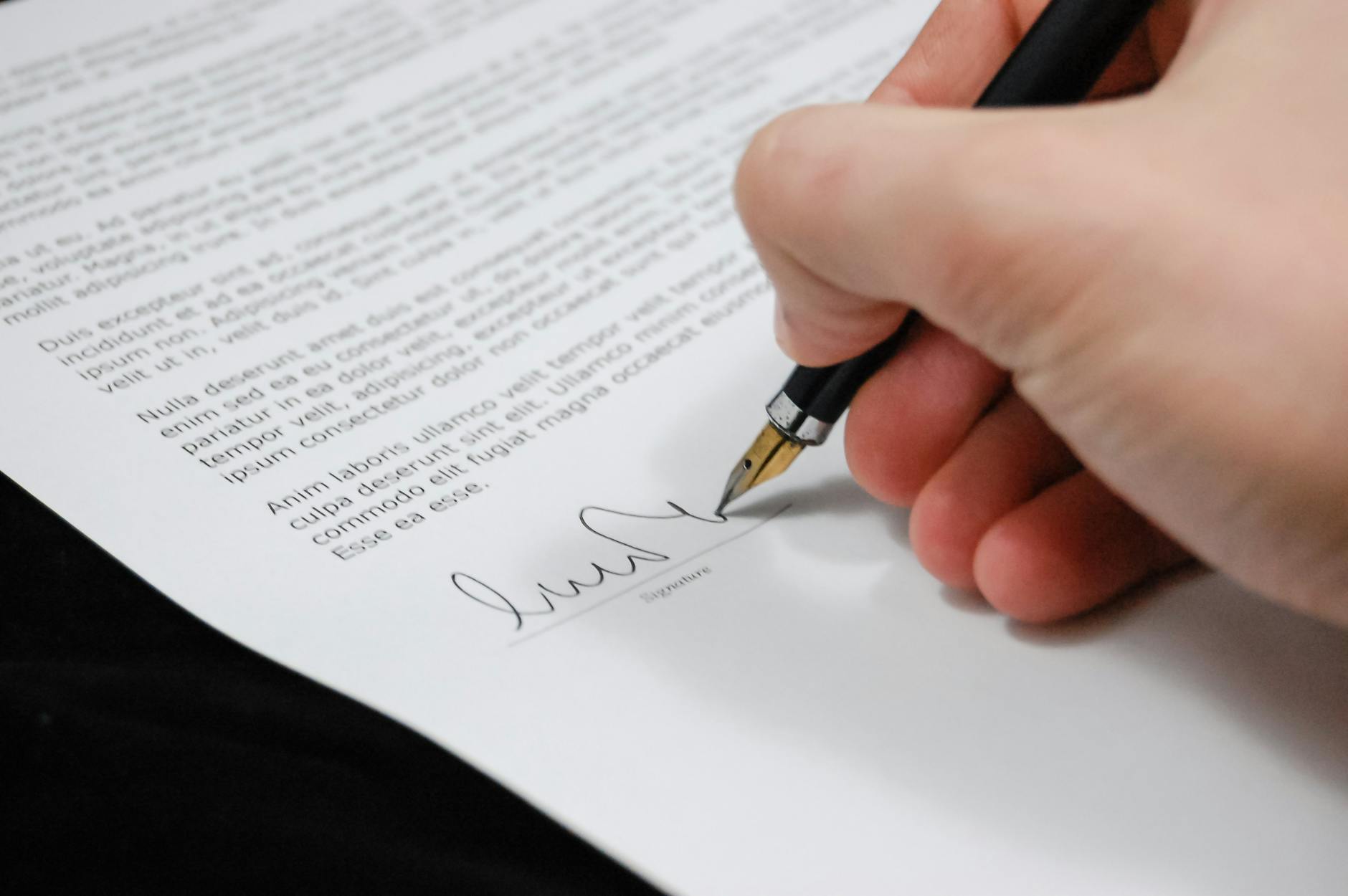
This is the piece of paper I have to feel safe.
This is the guarantee of my safety.
That’s what this bit of paper does.
And yet… how safe can a bit of paper really make you feel if what is printed means nothing to the person who signs it ?
My doors are locked – I used to leave them open but those days are long gone.
I have a blink security camera system that uploads to a cloud system so it cannot be removed or tampered with and two trail cameras watching my property as well as flood lights by the house and solar powered ones on the driveway.
I have a cell phone — but no landline, because the signal here is terrible. I rely on Starlink internet.
And my nearest neighbour? They’re the surety for his bail.
I cannot yet have him charged with coercive control, as it is not fully recognized in law here — but it is what he excelled at. And I know, from years of lived experience, and research since left him and started healing, that coercive control is the prime indicator for homicide in domestic violence cases.
You ask me how safe I feel? Not very.
But if I ask the police what they can do about it?
Absolutely nothing.
He has already broken police conditions before which is why he was put on bail with a surety. He got a warning last year for almost breaching them. And now, he has breached them outright — this time, while on bail with a surety.
This piece of paper may be my legal protection — but it doesn’t stop the fear. It doesn’t stop the “what ifs.” And it doesn’t stop him from trying again.
When the Justice System Feels Unfair
Sometimes, the justice system feels like it bends toward the accused, not the victim.
If a crime is committed on a weekend or bank holiday, the accused often gets extra leeway — simply because the courts are closed. “Innocent until proven guilty” is the foundation of our legal system, and I understand that. But from the victim’s point of view? It sucks.
It means another day — or several — of walking around knowing that the person who just broke the law in your presence is out again, free to try it all over.
“Injustice anywhere is a threat to justice everywhere.” — Martin Luther King Jr.
This Isn’t a “One-Off” — It’s a Pattern
People like to pretend breaches are just mistakes. “Oh, maybe he didn’t realize,” they say. “Maybe it was an accident.”
No.
This is not an accident.
This is part of a pattern of escalating risk.
This is the same man who has already been charged with multiple counts of abuse, threats, and prior breaches. This is a man who knows his conditions and chooses to ignore them.
The Bigger Picture
This bail violation isn’t happening in isolation.
Right now, I’m fighting my ex on multiple legal fronts:
- Criminal Court: Both I and two of my children have active criminal cases against him.
- Civil Court: We are in a battle over our businesses and my financial future.
- Family Court: Ongoing disputes over custody, access, and financial settlements.
The last win I had in family court was just days ago — securing travel consent for my daughter to join a humanitarian, school-based trip overseas. I won that motion on my own, standing in front of the judge without my lawyer, because my lawyer refused to help after I refused to compromise on my son’s safety.
Right now, family court is adjourned until September for motions on whether he should get access to our son. After he was arrested on charges of child abuse and threats against two of our daughters, I stopped allowing him any access.
This latest bail violation could be significant. It adds weight to my position that his pattern of behaviour — ignoring court orders, disregarding bail conditions, and escalating risk — makes him unsafe to have contact with our children.
Child Safety Shouldn’t Be Negotiable
It is hard to prove child safety — even though you would think it wouldn’t be.
Now, as he has been arrested again, the Children’s Aid Society will be opening another investigation. That will be added to the growing pile of court evidence.
I believe there should be automatic prioritization of children’s safety over parental rights in situations like this. But there isn’t — especially when lawyers push for concessions to “win” other points in a case.
I am holding my line: my kids’ safety is not negotiable.
Hopefully, this bail violation — and the escalating evidence that he sees nothing wrong with violating criminal court orders — will show a judge exactly the type of person I’ve been dealing with. The man who claims I am the bully and he is the victim.
I say: give him more rope.
Eventually, he’ll hang himself with it.
And until then, I live with the reality: the only safety I have is printed on a piece of paper.
