This week I stumbled across a phrase I had never heard before: the Tantalus Complex.
My very first reaction was: the what complex?
It sounded strange, almost academic, but something about it pulled at me. So, I did what I always do — I dug in, I researched, and I tried to make sense of it.
And wow. Talk about a phrase that lands squarely in the heart of survivors.
The Myth Behind the Phrase
The Tantalus Complex takes its name from King Tantalus in Greek mythology.
Tantalus offended the gods in unforgivable ways: stealing divine food, betraying secrets, and, in one horrific version, even serving up his own son to test them.
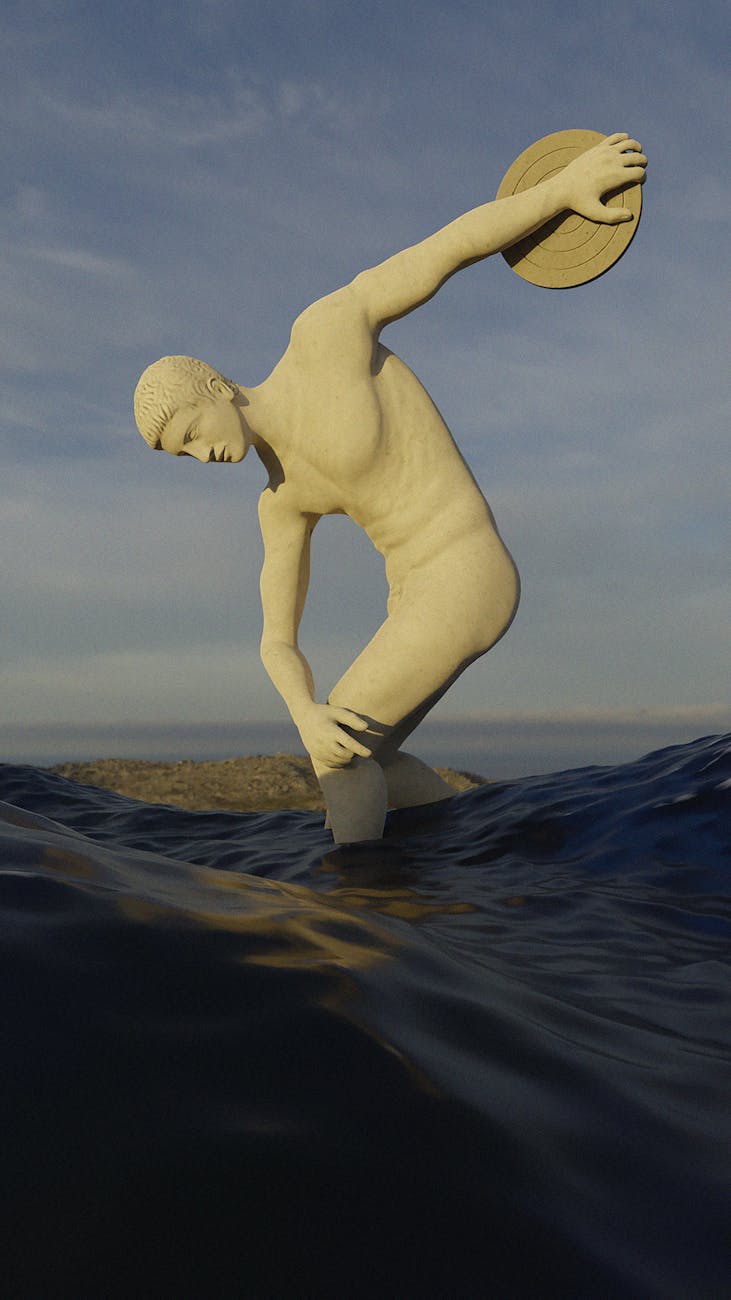
The gods condemned him to a punishment that fit his crimes. He was forced to stand in a pool of water beneath fruit-laden trees. Whenever he bent to drink, the water receded. Whenever he reached for food, the branches withdrew.
He was doomed to eternal torment — always surrounded by what he needed, yet forever denied it.
That cruel image became known as the Tantalus Complex.
Why It Resonates With Survivors
When I read that story, my first thought was: that’s it — that’s narcissistic abuse in a nutshell.
- You’re shown glimpses of love or safety, then it’s yanked away.
- You’re promised change, but it never comes.
- You’re told the money is there, the support is there — yet somehow it’s always just out of reach.
- Even your children’s stability can be dangled like bait in a cruel game.
This cycle isn’t random. It’s calculated. It’s how abusers keep survivors trapped in false hope.
The Tantalus Complex and Trauma Bonding
What struck me even more is how closely this connects to trauma bonding.
Trauma bonding happens when abuse is mixed with intermittent reward — cruelty one moment, kindness the next. The brain gets stuck in a loop of craving the “good” moments, no matter how small, because they feel like proof that love is possible.
Sound familiar? That’s exactly the Tantalus Complex.
- The fruit (love, safety, support) is right there, and sometimes you almost taste it.
- But most of the time, it’s yanked away, leaving you starving.
- The tiny scraps you do get keep you reaching, hoping, and staying.
Just like Tantalus, survivors are tormented by proximity — close enough to believe fulfillment is possible, yet constantly denied.
Why It’s So Hard to Break Free
This is why trauma bonds are so incredibly difficult to break. Survivors aren’t simply choosing to stay — their brains, hearts, and bodies are caught in a cycle of reward and deprivation.
- Biology reinforces it: dopamine spikes during the “good” moments make the bond feel intoxicating, even when the overall pattern is abusive.
- Fear locks it in: threats, intimidation, and isolation convince survivors that leaving will be worse than staying.
- Hope becomes addictive: every small act of kindness feels monumental, making survivors believe change is still possible.
- Shame silences: many blame themselves for not leaving sooner, which only deepens the trap.
And here’s the hard reality: many survivors report that trauma bonding is the reason they stayed. Some describe it as feeling “addicted” to the relationship. Research backs this up — the cycle of abuse, followed by brief moments of affection or calm, literally wires the brain to cling to the hope of better days.
This is also why some women never manage to leave. The bond can feel unbreakable, and the cost of breaking it — emotionally, financially, socially — can feel too high. In the darkest cases, staying can cost a woman her life.
Naming this cycle matters because it removes the blame from survivors. It explains why walking away isn’t just about “deciding to leave.” It’s about breaking a powerful psychological chain.
Naming the Pattern
When I learned the term “Tantalus Complex,” something inside me shifted.
This wasn’t me being weak. This wasn’t me being unworthy. This was a system deliberately rigged against me.
And once you can name both the myth (the Tantalus Complex) and the psychology (trauma bonding), you see the trap for what it really is. And once you see it, you can begin to break free.
Unlike Tantalus, We Are Not Condemned
Here’s what gives me strength: Tantalus was condemned forever. He could never escape, because his torment was enforced by gods.
But our abusers are not gods.
They want us to believe they are — to think they hold divine power over our lives. But their power is only illusion. It collapses when we walk away.
Unlike Tantalus, we can leave the pool. We can stop playing their endless game. We can build our own table, filled with nourishment that is real, lasting, and ours.
The Slow Turning of Justice
Of course, leaving isn’t simple. Survivors know this every time they step into court, or pack a bag in the middle of the night, or wait for police to respond to a call.
The justice system moves slowly. Healing moves slowly. Waiting is its own kind of torment.
But every affidavit filed, every hearing endured, every boundary enforced is one more step out of the Tantalus Complex. Each action says: “I am not condemned. I am not powerless. I will not live in endless longing.”
Closing Reflection
The Tantalus Complex gave me language for something I’ve lived for years: the torment of seeing what you need but never being allowed to have it. Trauma bonding explains why survivors stay, why many report they couldn’t leave, and why others tragically never make it out.
But here’s the truth — we are not Tantalus.
We are not condemned forever. We are not powerless against gods. We are survivors standing up against flawed men, not divine beings.
And unlike Tantalus, we can leave. We can heal. We can break the bond. We can build something real. We can escape the torment.
Because we deserve more than promises.
We deserve peace.
“I am no longer accepting the things I cannot change. I am changing the things I cannot accept.”
— Angela Davis
If You Need Help in Ontario
If you see yourself in these words, please know you are not alone. There are people and places ready to help:
- Amelia Rising Sexual Violence Support Centre (North Bay): Free, confidential support and counselling.
- Victim Services Ontario: Provides safety planning, crisis support, and even free personal safety devices like alarms and cameras.
- Sheltersafe.ca: A map of shelters across Canada if you need somewhere safe, right now.
- Legal Aid Ontario: Help with protective orders, family court, and safety-related legal needs.
Reaching out doesn’t mean you’ve failed. It means you’re refusing to stand in the pool any longer. So stand tall and shout out “I am NOT Tantalus” and break free from the torment of abuse.
