Maya Angelou
“Nothing can dim the light which shines from within.”
I went to write this when it was ten days away.
I started it — and then I didn’t finish.
Now it’s nine.
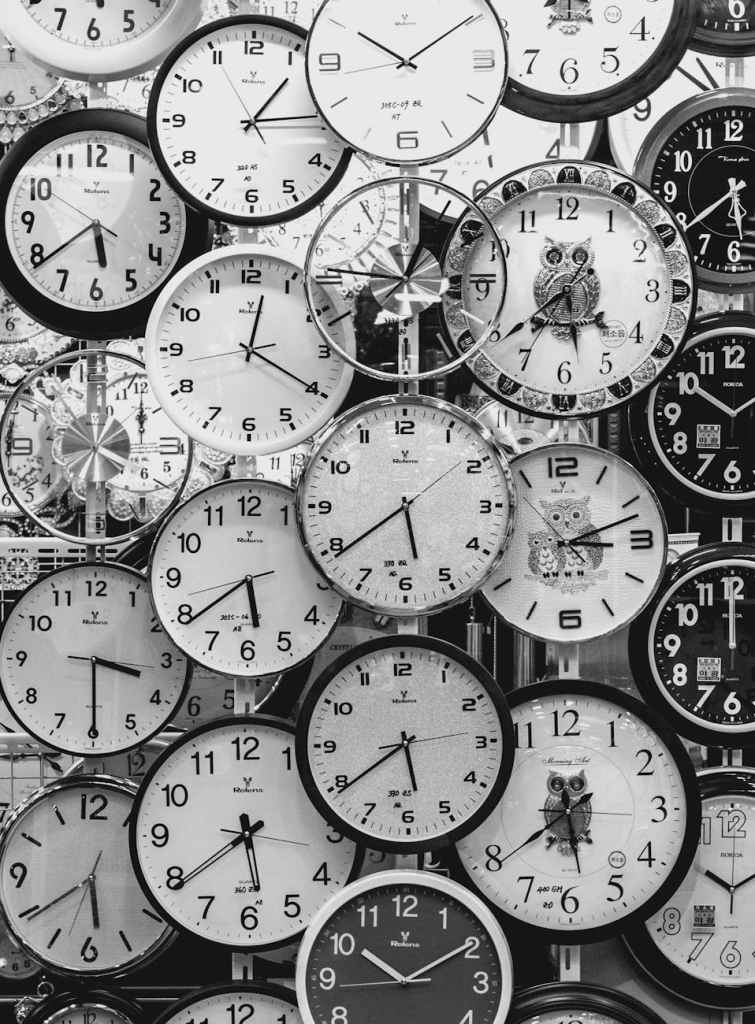
Time doesn’t feel linear right now. It feels fluid. Like in films where something disturbs time and everything ripples — a wave rising, slowing, hovering for a moment before it breaks. I feel like I’m standing inside that pause. Everything is lifting, suspended, and I’m almost weightless inside it.
I don’t feel connected to much of anything.
I feel adrift.
The days are strange. They rush past in some ways — suddenly it’s evening again, suddenly another day has gone — and yet they drag endlessly at the same time. Minutes stretch. Hours feel thick. Waiting does that to time.
Waiting is hard.
I know, intellectually, that waiting is not a waste of time. I even wrote a poem about that once — about how waiting still contains movement, still contains becoming. But knowing that doesn’t make it easier to live inside it.
Nine days away, and the Crown still hasn’t reached out.
No contact. No anchoring point. No sense of where I should place my feet emotionally.
So I don’t know what I should be feeling.
I don’t feel grounded.
I feel lost.
I feel like I’m floating — slightly out of sync with time, slightly out of sync with reality.
Like I’m standing half a step to the left of where everyone else is.
I wrote a poem about that too. About being here and not here at the same time. Existing and not existing. Observing life rather than fully inhabiting it. That’s where I am now — present, but untethered.
And maybe that’s where words like fate, karma, and justice begin to surface. Because when time loses its structure, meaning looks for somewhere else to land.
We often talk about karma as if it is revenge.
But karma is not punishment — it is consequence.
It is the quiet accumulation of actions and choices, unfolding whether anyone wants to witness them or not.
Fate is not destiny imposed from above.
It is what happens when truth, timing, and inevitability intersect — when something can no longer be delayed, denied, or rewritten.
And justice — real justice — is not abstract.
It is recognition.
Justice is meant to acknowledge harm. To affirm that something happened, that it mattered, that it caused suffering. But justice is also procedural. It is shaped by evidence thresholds, legal definitions, negotiation, and systems that do not always reflect lived reality.
And I need to be honest about something I’ve tried not to say too loudly.
It does matter to me whether he is found guilty.
I would like to say that my truth stands regardless — and in many ways, it does. But I need my truth to be recognised for what it is. I need the suffering I endured to be named and acknowledged within the very system that once failed to protect me.
This is my time to have my truth spoken in court.
Whether he is found guilty or not guilty does affect me — because that finding is not just about him. It is about whether the harm I lived through is formally recognised as harm.
What matters far less to me is sentencing.
Do not misunderstand me — I would like to see justice served. I would like accountability to be meaningful. I would not object to the maximum sentence available. But the length of time he may or may not serve does not determine my healing.
Six months, a suspended sentence, or six years or more— none of that changes the life I am already rebuilding.
Sentencing will affect his life.
It does not define mine.
My healing does not begin in a courtroom.
The courtroom is simply where my truth is acknowledged.
Even if justice is imperfect, even if outcomes are softened, something irreversible has already happened: my truth exists on the record. It has been spoken. It cannot be taken back, erased, or rewritten.
That is accountability.
When I think about karma, I don’t think about what he deserves. I think about what has already unfolded.
He lost me — and I am not replaceable.
He lost three of his four children.
He lost grandchildren he will never know.
He lost the future he assumed would always be there: family gatherings, old age surrounded by love, a sense of belonging he believed was guaranteed.
Those losses did not happen because I sought revenge.
They happened because choices have weight.
And I still ask myself — is that enough?
I don’t think it is. Not in the way punishment is meant to feel. But karma is not designed to satisfy observers, and justice is not designed to heal those who were harmed.
Karma is the quiet math of cause and effect.
Justice is recognition — even when incomplete.
Fate is the moment when truth can no longer be hidden.
I didn’t take anything from him.
I stepped into the light and stopped protecting the dark.
And now, in this strange suspension of time — nine days out, floating, waiting — I no longer want to measure this moment.
Not by outcomes.
Not by timelines.
Not by what comes next.
I told the truth without embellishment and without retreat. I did not ask it to protect me, and I did not ask it to punish anyone else. I let it stand on its own.
That is enough.
Light does not need to argue for itself.
It only needs to remain.
And so do I.
Maya Angelou
“I can be changed by what happens to me. But I refuse to be reduced by it.”
