Your Guide to Protection, Peace and Personal Power
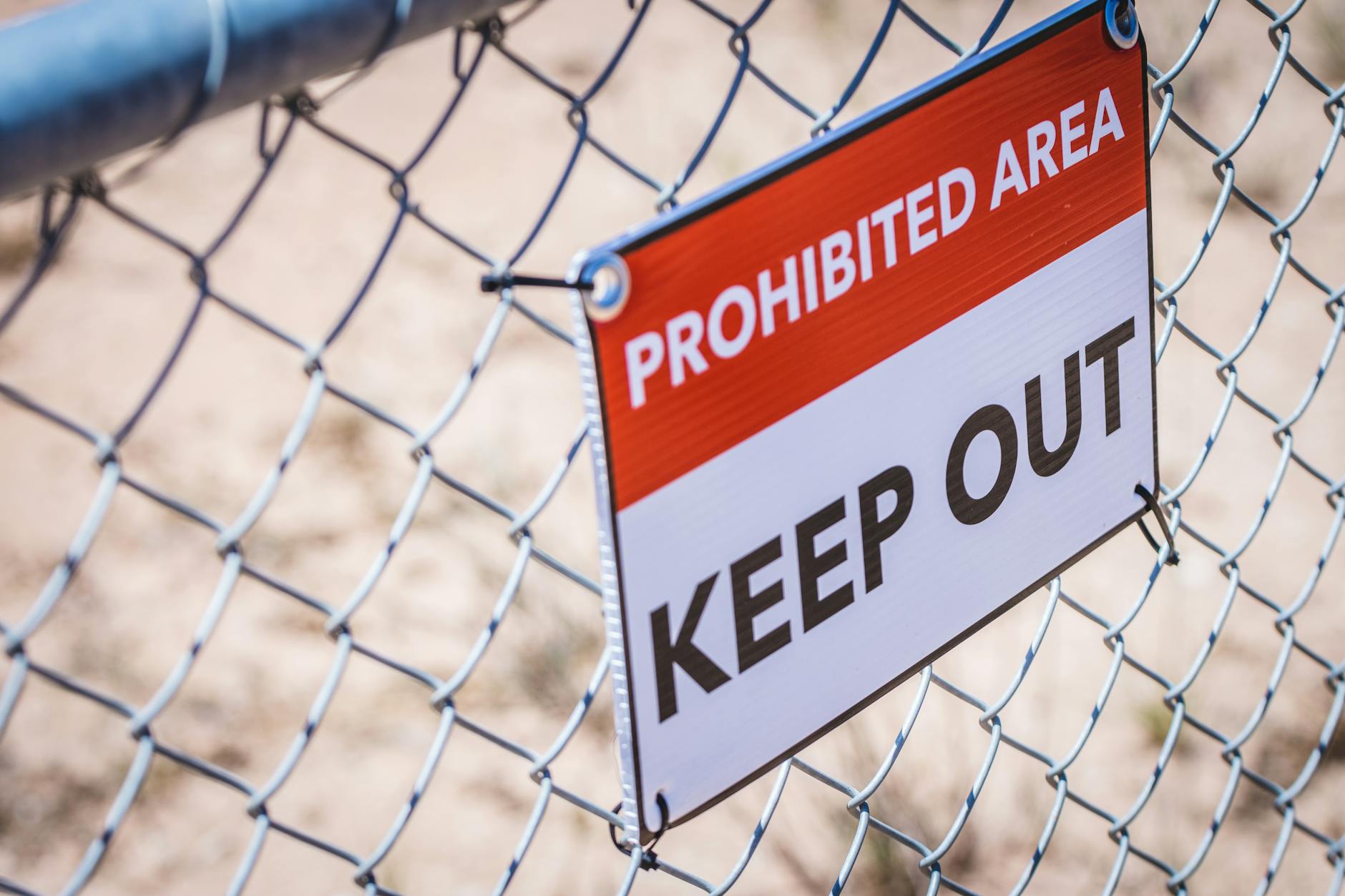
What Are Boundaries?
Boundaries define what’s okay and what’s not in our lives – how others treat us, how we treat ourselves, and what and who we allow into our lives. Boundaries are the invisible lines we draw to protect our mental, emotional, physical, and spiritual well-being.
They are not about controlling others — they’re about honouring ourselves.
🗨️ “Boundaries are a part of self-care. They are healthy, normal, and necessary.”
— Doreen Virtue
Why Are Boundaries Important?
For survivors of abuse, boundaries can feel very wrong. You may have been taught that your needs didn’t matter, that saying “no” made you selfish, or that keeping the peace meant tolerating pain.
But the truth is:
- Boundaries are your right.
- Boundaries are not optional — they are essential.
- Boundaries are the foundation of safety, healing, and self-respect.
When you’ve experienced abuse, especially from someone who repeatedly crossed your boundaries, learning to create and enforce them isn’t just healing — it’s life-changing. However it may not be a particularly fast process but each time you hold a boundary you move a step further in your healing journey.
🗨️ “The only people who get upset about you setting boundaries are the ones who were benefiting from you having none.”
— Unknown
Why We Need Boundaries in Recovery
In the aftermath of trauma, you may feel unsafe — in your body, your relationships, or even your own thoughts. Boundaries give you a framework of protection and clarity.
They help you:
- Reclaim your identity
- Establish emotional safety
- Rebuild trust in yourself
- Avoid re-traumatization
- Create healthier relationships
🗨️ “You teach people how to treat you by what you allow, what you stop, and what you reinforce.”
— Tony Gaskins
Boundaries in the Legal System: When the Law Steps In
Sometimes, especially when an abuser has been charged with crimes, boundaries aren’t just personal — they are legally enforced.
These may include:
- No-contact orders
- Bail or probation conditions
- Peace bonds or restraining orders
- No trespassing notices — posted at your home and enforced by police
These boundaries carry real consequences. If the abuser breaks them:
- They may face new criminal charges
- They could be arrested and held in custody until trial
- Their bail might be revoked or denied entirely
- They could face fines
This sends a clear message:
The law sees boundaries as serious — because they are.
And if the justice system recognizes your right to feel safe, then you have every right to honour that too — in your life, your home, your space.
🗨️ “You are not required to set yourself on fire to keep others warm.”
— Unknown
Types of Boundaries You Can Set
You are allowed to create boundaries anywhere in your life where you need safety and peace. These can include:
- Physical: “Don’t touch me without permission.”
- Emotional: “I will not be spoken to with disrespect.”
- Time & Energy: “I’m not available right now.”
- Digital: “I’ve blocked you for my peace.”
- Financial: “I won’t share my banking information.”
- Co-Parenting: “All communication goes through legal channels.”
- Family: “I won’t attend gatherings if my abuser is present.”
🗨️ “No is a necessary magic. No draws a circle around you with chalk and says, ‘I have given enough.’”
— McKayla Robbin
How to Set and Keep Boundaries
Setting boundaries isn’t always easy — especially after abuse. But every step forward reinforces your worth.
Here’s how to start:
- Get clear on what you need — What makes you feel unsafe or disrespected?
- Communicate your boundary calmly and clearly — You don’t need to justify it.
- Expect pushback — Especially from those who benefited from your silence.
- Stick to it — A boundary without a consequence is just a suggestion.
- Show yourself compassion — This is new. It’s not weakness — it’s strength.
🗨️ “You get to choose who has access to you. Saying ‘no’ is a complete sentence.”
— Nedra Glover Tawwab
You’re Allowed to Change
You’re allowed to:
- Stop answering toxic messages
- Walk away from people who manipulate or disrespect you
- Block numbers and social media contact
- Decline invitations
- Ask for space
- Choose peace over performance
- Post a no trespassing sign on your fence
- File for legal protection
You’re allowed to protect yourself in whatever way you need to heal.
🗨️ “Boundaries are not about shutting people out. They’re about deciding what you will allow in.”
— Unknown
Boundaries Are Not Cruel — Abuse Is
If someone tells you your boundaries are too much, that’s not a reflection of you — it’s a red flag about them.
Healthy people respect boundaries.
Abusive people test, ignore, or punish them.
You didn’t survive what you did to keep shrinking for the comfort of others.
You are allowed to say no.
🗨️ “When we fail to set boundaries and hold people accountable, we feel used and mistreated.”
— Brené Brown
Holding Boundaries with Your Children — Especially When It’s Hard
One of the most emotionally challenging parts of healing is learning to set and hold boundaries with your own children, particularly if they’ve been exposed to abuse or unhealthy dynamics or relationships in the past.
Children, especially teenagers, may test your boundaries in painful and persistent ways — and often for reasons that go far deeper than defiance.
They may:
- Have learned, through witnessing abuse, that your boundaries don’t matter
- Push against limits because they’ve seen others walk all over you
- Know that you hate conflict and will back down just to keep the peace
This makes it feel like a battle — and the truth is: it is.
But it’s not a battle against your child.
It’s a battle for your boundaries, and ultimately, for their future.
When you hold the line — even when they shout, cry, slam doors, or try to guilt you — you are teaching them:
- That respect doesn’t require fear
- That love can include limits
- That healthy relationships don’t come at the cost of your self-worth
You are also showing them that boundaries are not punishment — they are protection.
They are structure, stability, and a roadmap for how to treat others and how to expect to be treated in return.
And yes — it’s exhausting.
You may doubt yourself. You may want to give in.
That’s why it’s crucial to have someone you trust — a friend, therapist, support worker — who can look you in the eye and say:
“Don’t bend. You’re not being cruel. You’re being clear. Hold the line.”
Because the more consistently you hold your boundaries, the more your children begin to understand that:
- You mean what you say
- You will no longer shrink to keep the peace
- You are reclaiming your role — not just as a parent, but as a person who deserves respect
And in doing that, you’re also giving your children permission to one day set their own boundaries — without shame, apology, or fear.
🗨️ “Children learn more from what you are than what you teach.”
— W.E.B. Du Bois
Final Thoughts: Boundaries Are Self-Love in Action
Boundaries aren’t selfish.
They are healing.
They are protective.
They are sacred.
They are how you say:
“I matter. My safety matters. My peace matters.”
Because every time you say no to what hurt you, you are saying yes to what helps you grow.
🗨️ “Daring to set boundaries is about having the courage to love ourselves, even when we risk disappointing others.”
— Brené Brown
