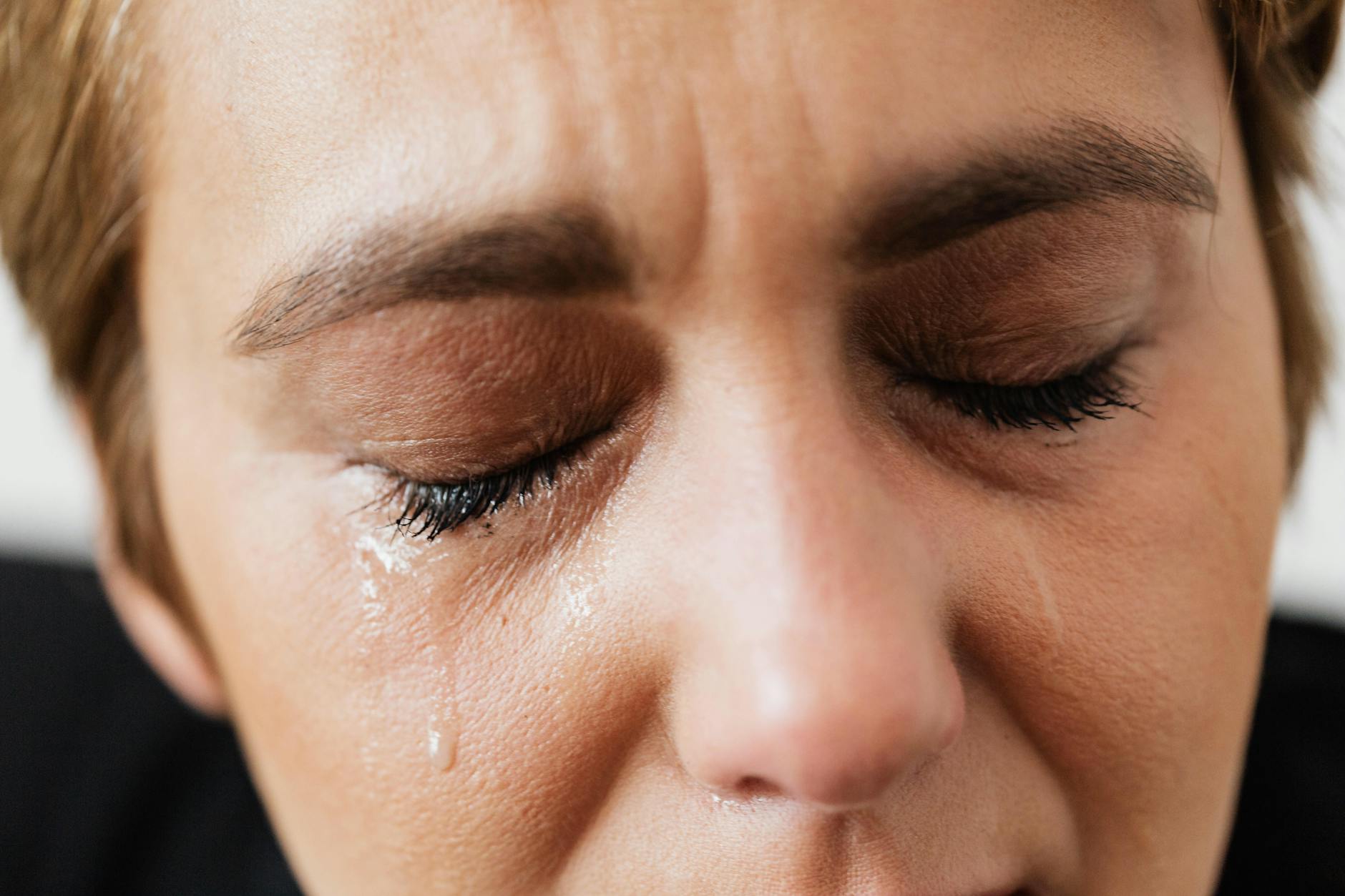
🧠Understanding the Impact. Honoring the Healing.
Abuse doesn’t just leave bruises—it rewires your brain, distorts your self-worth, and leaves invisible scars that can last long after the shouting stops.
You may feel anxious, numb, angry, exhausted, hypervigilant, or utterly disconnected.
You may blame yourself for not leaving sooner, or struggle to trust again.
These are not flaws. These are trauma responses.
Your body and mind have been trying to keep you safe.
This section is here to help you:
- Understand how trauma affects the brain and nervous system
- Recognize common mental health struggles after abuse (like PTSD, anxiety, depression, dissociation)
- Learn grounding techniques, coping tools, and emotional regulation skills
- Explore therapy options, medication, and holistic supports
- Find hope in healing—even when it feels slow or impossible
You are not crazy. You are not weak.
You are surviving something that was never your fault.
Healing takes time—but you are already doing it.
Just by being here, you’ve started.
The Narcissist: A Different Breed of Abuser
The 5 Minute Morning Routine for Energy & Focus
Understanding Trauma Responses
Rebuilding Self Worth
C-PTSD and PTSD
Low Cost Therapy and Support
Abuse Explained
Dealing with Triggers
