🌱Understanding Your Journey—Especially When You’re Still in the Battle
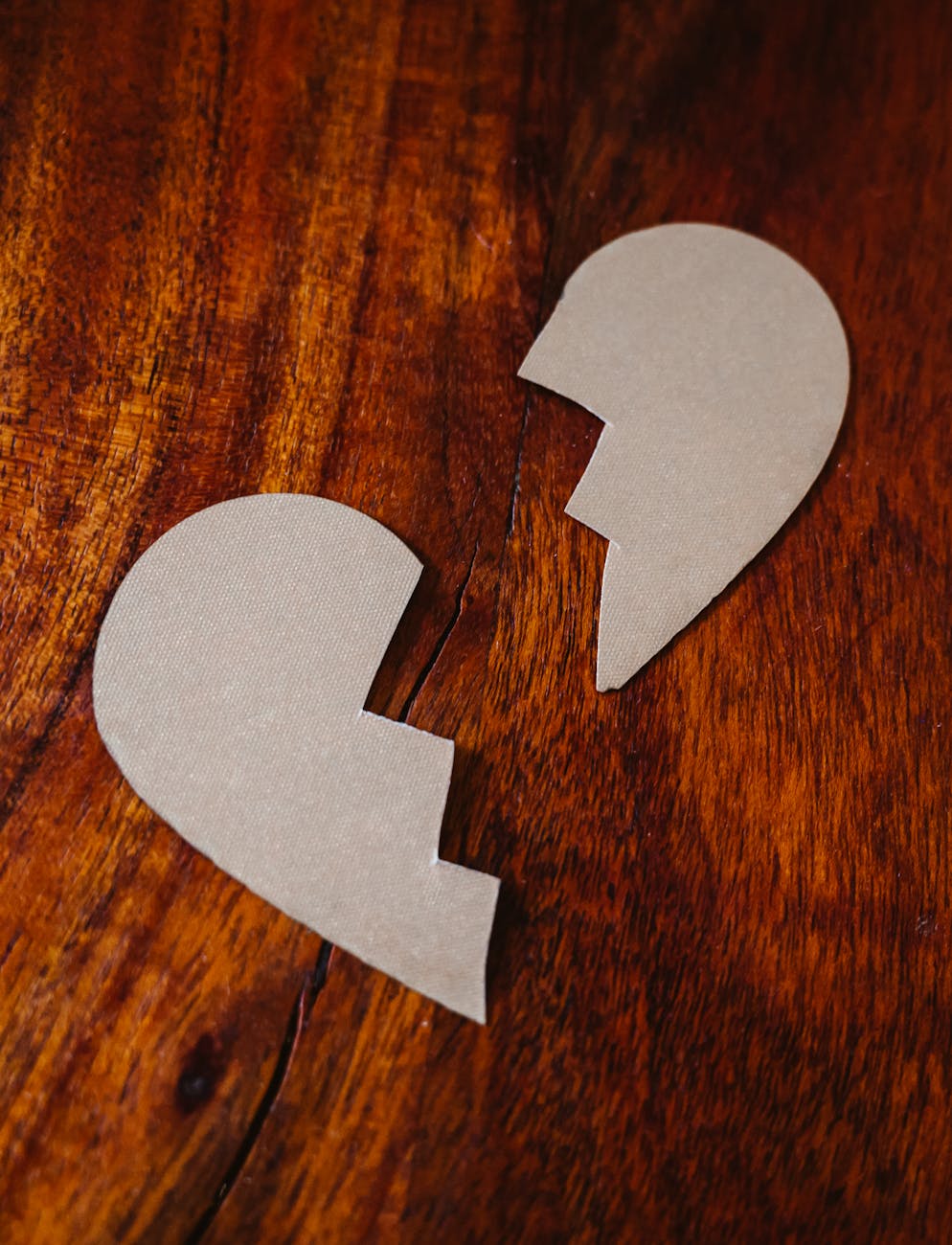
🧭 There Is No Timeline for Healing
Healing from abuse isn’t neat. It doesn’t follow a 5-step plan. It isn’t something you “complete” like a task on a checklist. For many survivors, especially those still locked in high-conflict custody battles, financial abuse, or ongoing co-parenting with a manipulative ex, healing may not even be fully possible yet.
And that’s not because you’re weak.
It’s because you’re still being wounded.
You’re still surviving in a warzone, where your emotional defenses are under daily assault. When you’re in that state, healing becomes a luxury you can’t always afford—not because you don’t want it, but because you’re still bleeding.
💬 “You cannot heal in the same environment that made you sick.”
💣 Still in the Warzone?
If you’re:
- In family court fighting for custody
- Sharing a business or property with your abuser
- Co-parenting with someone who continues to emotionally manipulate or control you
- Dealing with constant legal threats, interference, or financial sabotage
Then you’re not just “recovering”—you’re still in survival mode. And expecting yourself to meditate your way through trauma while your ex drags you through court or tears down your children? That’s unrealistic. And unfair.
You cannot heal while you are still being harmed.
And that doesn’t make you broken—it makes you human.
⚠️ Before You Read the Stages
These stages aren’t milestones. They aren’t ordered. You don’t “graduate” from one to the next. Think of them like a cycle—fluid, messy, and deeply personal.
You may revisit some stages again and again.
You may skip others entirely.
You may hover in one for years before anything shifts.
And that’s okay.
There is no right way to heal—only your way.
🔥 1. Crisis and Survival
The world has just shattered—and all that matters is staying alive.
This is the beginning for many survivors. The moment you leave, or the moment the abuse becomes undeniable, is often followed by overwhelming panic and confusion. You’re running on adrenaline. Every decision feels urgent. You’re just trying to get through the next hour.
You might be:
- Escaping the home
- Seeking emergency shelter or legal help
- Managing panic attacks and extreme fear
- Completely numb or disconnected
There’s no time for healing here. Only survival.
And that’s enough.
🛑 Surviving abuse is a form of resistance. Every breath you take is a refusal to be destroyed.
⚖️ 2. Stabilization
The fire is out—but the smoke hasn’t cleared.
Once you’ve escaped or separated, the chaos doesn’t just vanish. You’re suddenly left with legal messes, emotional fallout, and practical problems. Maybe you’re still couch-surfing. Maybe you’re attending court hearings or organizing custody.
You’re trying to create a life again—but your nervous system is still stuck in survival mode.
This stage is about:
- Establishing a routine (however basic)
- Securing finances, housing, child care
- Seeking therapy or trauma-informed support
- Trying to feel “normal” again, even though nothing is
This phase is exhausting. But slowly, stability builds. And with it, a shaky kind of hope.
💡 Routine feels boring to some—but to a trauma survivor, it feels like safety.
🧠 3. Acknowledgment and Understanding
The fog starts to lift—and the truth begins to sting.
In this stage, the pieces start falling into place. You name the abuse for what it really was: manipulation, gaslighting, coercive control, emotional and financial abuse.
You begin to say things out loud like:
“That wasn’t just a fight. That was abuse.”
“I didn’t imagine it.”
“It wasn’t my fault.”
It’s validating—and devastating. You might feel rage, shame, guilt, or deep sadness. But underneath it all is something powerful: clarity.
And clarity is the beginning of freedom.
💬 “When you name it, you break its hold.”
💔 4. Grieving and Releasing
You don’t grieve the relationship. You grieve the illusion.
This is one of the most painful stages—because most people won’t understand what you’re actually grieving.
You’re not mourning your abuser.
You’re mourning:
- The person they pretended to be at the start
- The future you believed in
- The version of love you thought you had
- The years of emotional investment that feel wasted
You grieve the loss of the illusion.
You grieve who you were when you believed it was real.
This grief is heavy. It’s layered with betrayal, self-blame, and shattered hope. But it’s necessary.
You are not weak for feeling it. You are strong for letting yourself finally feel what you couldn’t afford to feel before.
💬 “I didn’t lose them. I lost the lie I told myself to survive.”
🪞 5. Rebuilding Identity
Who are you now that you’re no longer being told who to be?
Abuse strips away your sense of self. It tells you who you are. It punishes your authenticity. So once you’re free, you might feel lost.
But that loss is also your chance to begin again.
This stage is about:
- Reclaiming your voice, preferences, and needs
- Trying new things or reconnecting with old passions
- Finding joy, even in small things
- Learning to take up space
🛑 Setting Boundaries: The Foundation of Reclaiming Self
One of the most powerful—and difficult—parts of rebuilding your identity is learning to set boundaries. Boundaries are not selfish. They are not rude.
They are the language of self-respect.
After abuse, it may feel unnatural to say:
- “I don’t want to talk about that.”
- “No, I can’t help you with this right now.”
- “That’s not okay with me.”
But each boundary you set is a brick in the new foundation of your self-worth.
You’re not being mean—you’re being clear. And clarity is kindness.
💬 “Boundaries are not walls to keep others out—they’re doors to keep yourself safe inside.”
🌿 6. Reconnection and Growth
Your world is expanding again—this time on your terms.
You begin to look outward again. Toward new friendships. Healthy relationships. Creative pursuits. Or even just feeling safe in your own skin.
You might:
- Start dating again—cautiously
- Reconnect with family or long-lost friends
- Take steps toward personal or professional goals
- Build deeper self-trust and emotional resilience
And with each relationship—new or old—you begin to notice:
- Who respects your boundaries
- Who drains your energy
- Who makes you feel seen, safe, and whole
Because now you know: real love honors your limits.
And anyone who pushes past your “no” doesn’t deserve your “yes.”
⚡ 7. Empowerment and Advocacy
You no longer live in their shadow.
At some point, your story becomes your strength—not your shame.
You might:
- Speak out
- Share your experience
- Support others still in crisis
- Live fully and unapologetically
And here, too, boundaries become sacred. You’ll be tested. People may still try to minimize your story, push past your comfort zones, or expect you to “forgive and forget.”
You will learn to say:
“I owe you nothing. My peace is mine.”
You’ve done the work. You know your worth. And you’re not shrinking anymore to keep anyone else comfortable.
🛡️ “My boundary is not up for debate. It is the proof that I have healed.”
🔁 8. Setbacks and Triggers
Healing isn’t linear. It loops. And that’s normal.
This isn’t a separate stage—it’s part of all the others. You may be doing great and then suddenly spiral because of a:
- Song
- Court date
- Unexpected memory
- Co-parenting exchange
It doesn’t mean you’re back at square one. It just means your nervous system is still healing.
You’re allowed to have bad days.
You’re allowed to feel triggered.
What matters is how you care for yourself through it.
💬 “Triggers are not proof of failure. They’re proof that your body remembers—and wants to protect you.”
🌈 9. Integration and Acceptance
You’ve made peace with your story—and it no longer defines you.
Integration isn’t about erasing what happened. It’s about accepting it as part of your life without letting it control your future.
You:
- Know your boundaries
- Protect your peace
- Trust yourself again
- Let joy in—without guilt
You may still feel pain. You may still get triggered. But it no longer consumes you. You’ve built a life beyond the wreckage.
And that’s not just healing.
That’s freedom.
💬 “You didn’t just survive. You transformed.”
🧠 10. Reframing and Reclaiming
You get to tell your story differently now—on your terms.
This stage is quiet but deeply powerful. It’s when your inner voice starts shifting. You begin to notice your thought patterns—and consciously rewrite them. You look for hope, for signs of healing, for glimmers of light even in hard moments.
Instead of replaying blame, you begin to reframe with compassion.
🌀 From Shame to Power:
- “I was so stupid for staying that long.”
→ “I stayed until I could safely leave. And I did.” - “I’m so broken.”
→ “Now I can begin to heal—because I’m finally free.” - “This trigger is destroying me.”
→ “This is just a memory. He has no power over me now.”
✨ Finding Glimmers:
You begin to:
- Notice moments of peace, even for a few seconds
- Appreciate a song, a breeze, a kind smile
- Feel gratitude—not because life is perfect, but because you survived the impossible
Looking for glimmers is not about toxic positivity. It’s about training your mind to recognize safety, hope, and beauty again—slowly, gently.
💬 “As the abuse wore me down over years, so too can small moments of light rebuild me.”
📖 Rewriting Your Future:
Now you start writing out:
- Short-term dreams: safety, calm mornings, financial clarity
- Long-term dreams: a stable home, laughter, travel, love that feels like peace
You no longer think in survival. You begin to think in possibility.
And with every glimmer, every reframe, every dream you write down—you are not just healing.
You are reclaiming your life.
Final Words
If you’re still entangled with your abuser—legally, emotionally, financially—healing may feel impossible right now. And that’s not your fault.
You’re still in the war.
You’re still holding the line.
And that takes everything you’ve got.
So if healing looks like:
- Just getting through the day
- Keeping your kids safe
- Protecting your finances
- Attending one court hearing at a time
Then that is healing.
Because every act of survival plants a seed for the day peace finally comes.
And when that day does come?
You’ll be ready.
Because you already fought harder than most people will ever understand.
✨ “Healing isn’t becoming someone new. It’s remembering who you were before the world told you who to be—and choosing who you want to be next.”
