When I couldn’t speak the pain—I bled it onto the page
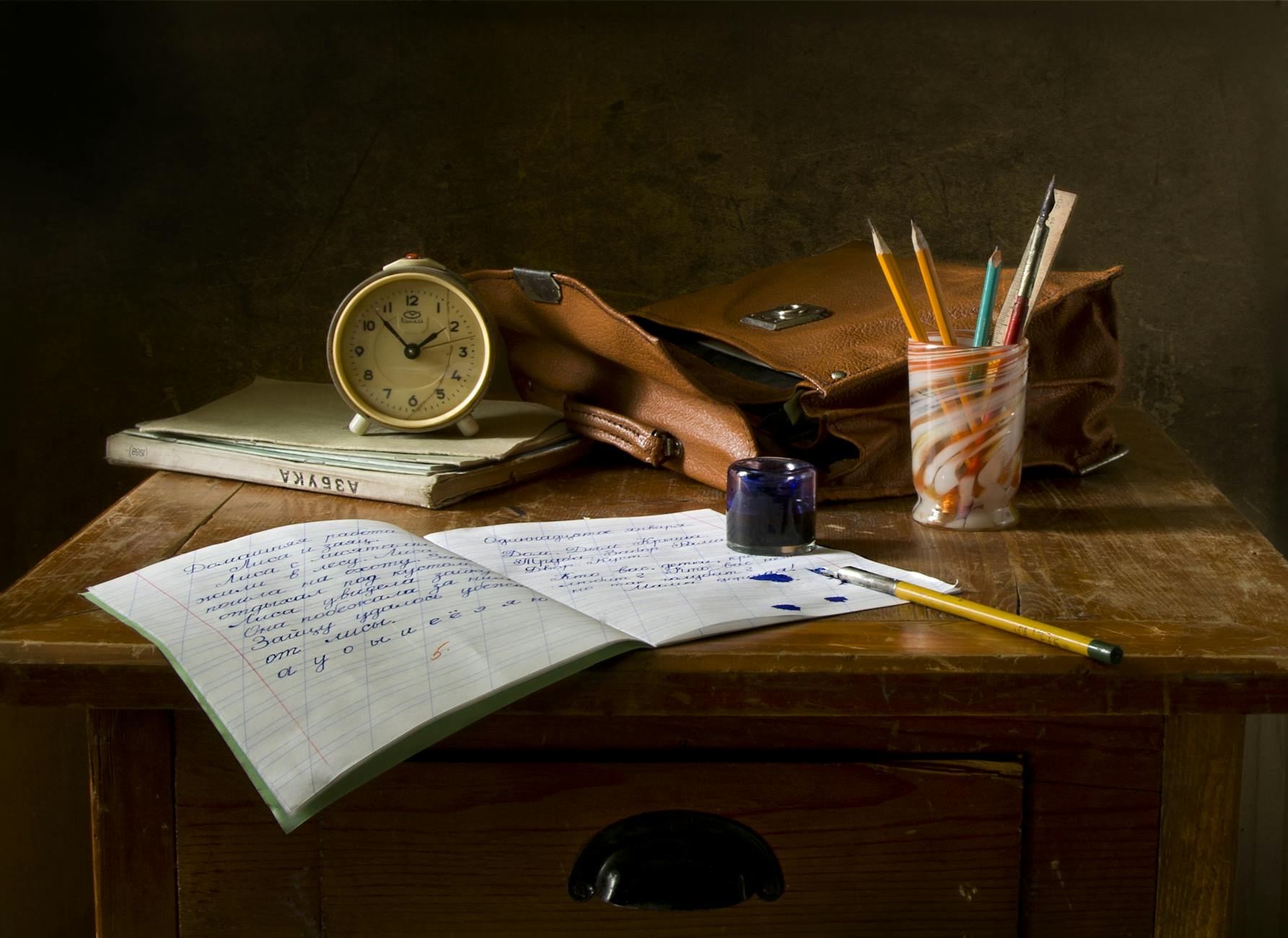
I still find it hard some days to explain how I feel. Where therapy sessions open my wounds faster than I can heal them. When the silent screams inside my head won’t silence after a trauma trigger. And then I went to a Poerty Slam and heard who would become a good friend of mine get up on stage and speak a poem she had written and opened the door to a world I had not known was there.
And so now I write poetry.
Bleeding Ink

I write poetry and bleed ink instead of tears
Crying never carves the truth with the same skill
As a pen held in shaky hands.

Paper listens better than people
It does not interupt
It does not flinch.
Paper does not hug me or make me cry
It does not judge
It does not say it could not have been that bad
Or you would have left sooner
Paper does not say
It could have been worse.

Ink says everything that I cannot speak aloud
It holds the weight of what was unsaid
Ink spills what my voice cannot say
The truth.
Ink needs no permission
It does not need to be believed
It does not soften
Ink stains
Permanent
It stays
It Speaks
Ink is my voice
My strength
Ink is survival written in script
That shakes but does not stop.

Writing is the only way I know
To make the pain have meaning
Writing is the only way
To make me feel something
Beyond what was done to me
Writing says all I have endured
It says yes this happened
Writing says yes I am still here
It reinforces I am not crazy

So I will keep writing
Not always to be heard
Not always to be shared
The paper and Ink keep me whole
Make me visible

Because if I don't write
The silence wins
And I have survived too much
To let silence be my legacy

Some truths cannot be spoken yet
The pain is too real
They burn the throat
So I write them down and call it poetry.

June 22nd 2025
Why Poetry?
I tried journalling. Everyone told me to journal.
“Write it out,” they said.
“Get it on the page. Let it go.”
But what they didn’t understand is that journaling didn’t help me.
It hurt me.
Every time I picked up that pen to journal, I sank deeper.
Writing and rewriting my pain, day after day, became an echo chamber of suffering.
Instead of releasing it, I relived it.
I looped in the trauma, trapped in unstructured pages that never led anywhere but down.
There was no resolution. No closure.
Then thanks to my friends and Amelia Rising -I found poetry.
It wasn’t about venting.
It wasn’t about recounting everything that happened.
It was about transforming a single moment, a feeling, an echo of pain—into something I could shape.
Poetry gave me boundaries where journaling gave me overwhelm.
A beginning.
A middle.
And—this part mattered most—an end.
And I got to choose that ending.
I could end with defiance.
With resilience.
With hope.
Even if the poem was dark or aching, I try to never let it close on despair.
Because poetry became more than expression—it became my act of survival.
My way to take back control. I can take something that is dark and weave it into something I find beautiful. In a way the poetry has become threads that give me a way to weave myself back together.
My poems are not perfect and it is not an instant healing but unlike journaling all of them have helped me move forwards. Very few of them rhyme and tehy can sometimes be I think too raw. But it helped me make meaning in the chaos of my thoughts. And it reminded me that even in the darkest of memories and feelings I can still create light. Because poetry gave me purpose inside the pain.
And I’ve never stopped writing since.It gave me a space where I could rage, whisper, grieve, and hope—sometimes all in the same stanza.
Poetry let me:
- Name the pain I had buried for years
- Reclaim my voice after it had been silenced
- Transform flashbacks into metaphors, chaos into rhythm
- Say the things I was too scared to tell anyone out loud
Writing became my release.
The page became my witness.
And for the first time in a long time… I felt heard.
I didn’t write to be a poet.
I wrote to survive.
Some poems were jagged and raw, like me.
Some carried the voice of my inner child, afraid and alone.
Others were nothing but screams spelled of pain.
But slowly, something shifted.
The more I wrote, the less shame I carried.
The more I let the pain speak, the more I could breathe.
My trauma didn’t vanish—but it no longer had full control over me.
Now, poetry is part of my healing ritual.
It’s how I process flashbacks.
It’s how I honour the parts of me that were silenced for too long.
It’s how I connect—to myself, to others, to survivors who read my words and whisper, “Me too.”
In a world that often tells survivors to “move on” or “stay strong,” poetry gave me permission to fall apart—and rebuild myself line by line.
If you’re on a healing journey, I invite you to try.
Not for anyone else. Not for a book or a therapist.
Just for you. Pick up a pen. You don’t need to be a writer.
Just be honest
Let the pain spill.
And watch what beauty rises from the wreckage.
Because sometimes, the most broken lines become the most beautiful poetry.


One response to “Poetry Helped Heal Me”
[…] Poetry Helped me HealPoetry opened a world full of opportunities, hopes, and dreams.It gave shape to chaos. It gave pain a container. It let me choose the ending. […]
LikeLike